

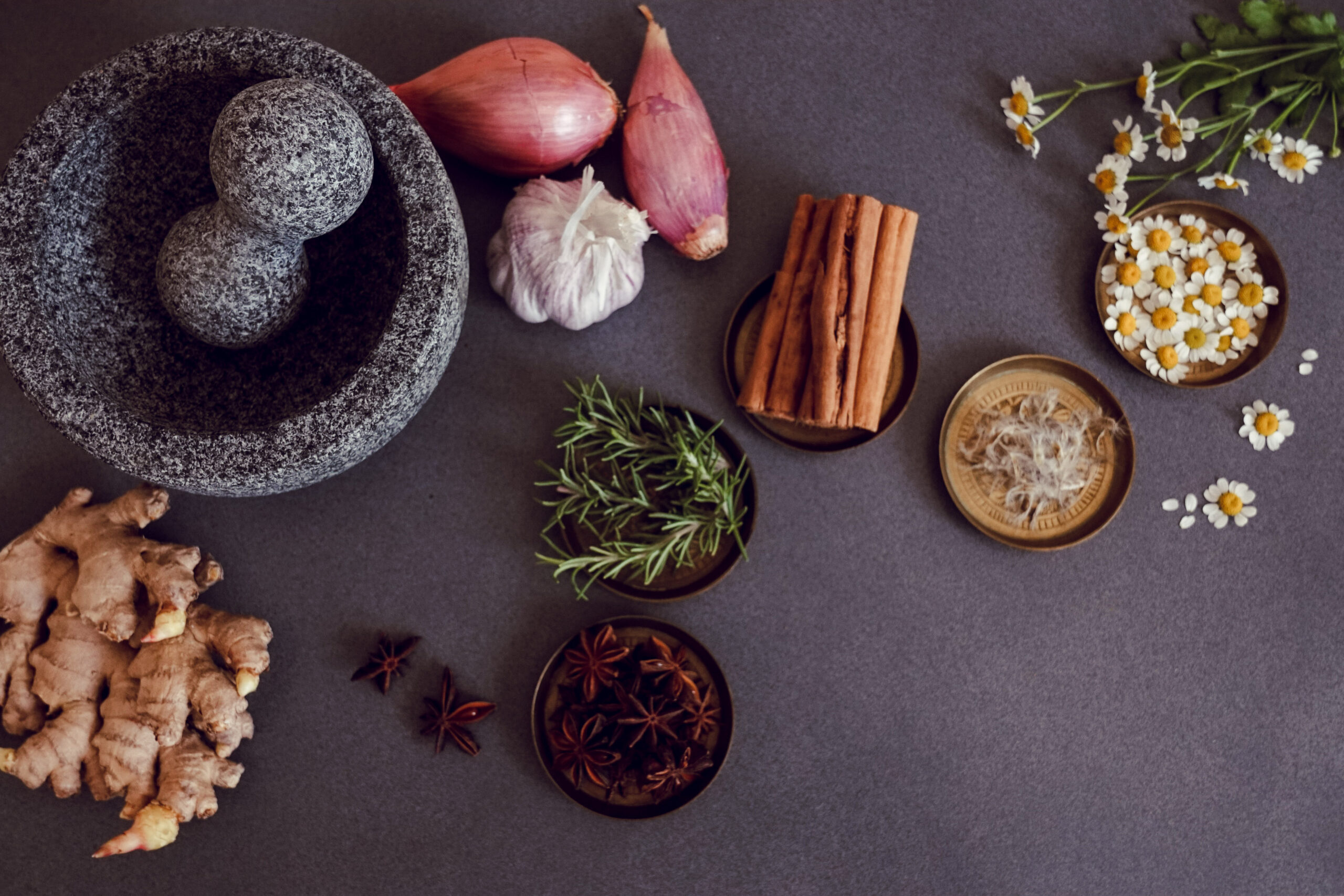
Herbal medicine is the original form of medicine in the world. It is a sophisticated system that harnesses the therapeutic power of plants to restore health and balance, emerging uniquely in almost every culture. Far from being simple folk remedies, traditional herbal formulas are complex prescriptions designed to treat the whole person.
Rooted in Tradition: The Ancient Origins of Herbal Healing
The practice of using plants for healing is as old as humanity itself, but it was in ancient China that it evolved into a highly systematic and documented medical science. The origins of Chinese herbal medicine are traditionally attributed to the mythical farmer Shennong, who is said to have tasted hundreds of herbs to determine their medicinal properties. This knowledge was passed down and compiled into foundational texts, most notably the Shennong Ben Cao Jing (The Divine Farmer’s Materia Medica), written around the 1st century. This classic text details over 365 herbs, classifying them by taste, temperature, and therapeutic function. Over centuries, this knowledge was expanded upon, leading to a vast and sophisticated pharmacopoeia. Unlike Western herbalism, which often focuses on a single active ingredient for a single symptom, Chinese herbal medicine emphasizes the use of formulas, where multiple herbs are combined to create a balanced and synergistic effect, enhancing efficacy while minimizing potential side effects. This tradition represents a deep understanding of nature’s pharmacy.
How Nature’s Pharmacy Works: Holistic Healing Mechanisms
Chinese herbal medicine operates on the same holistic principles as acupuncture, aiming to correct the underlying imbalances that lead to disease. Each herb in the Chinese pharmacopoeia is categorized by its specific properties, including temperature (e.g., cooling or warming), taste (e.g., sweet, bitter, pungent), and the meridians or organs it affects. A skilled herbalist combines these herbs into a balanced formula designed to address a patient’s unique pattern of disharmony. For example, a formula for a common cold characterized by fever and sore throat (a “wind-heat” pattern) would include cooling, pungent herbs that release the exterior and clear heat. Conversely, a formula for digestive weakness with bloating and fatigue (a “spleen Qi deficiency” pattern) would use warming, sweet herbs that tonify the spleen. The herbs within a formula play different roles:
- Chief (Emperor): The primary herb that targets the main complaint.
- Deputy (Minister): Assists the chief herb and treats secondary symptoms.
- Assistant (Adjutant): Enhances the effects of the main herbs or moderates their harshness.
- Envoy (Messenger): Guides the formula to a specific part of the body and harmonizes all ingredients.
This sophisticated approach enables highly personalized, effective treatments.
Embracing Herbal Medicine in Your Wellness Journey
Integrating herbal medicine into your wellness journey is a powerful step towards taking control of your health. However, it is crucial to do so under the guidance of a qualified and licensed practitioner. Self-prescribing based on internet searches can be ineffective or even harmful, as the effectiveness of herbal medicine lies in its precise application to a specific TCM diagnosis. A trained herbalist will provide you with a custom formula, typically administered as a concentrated powder, a tea, or in capsule form. They will provide clear instructions on dosage and preparation and will monitor your progress, adjusting the formulation as your condition changes. It is also important to inform your herbalist about any prescription medications you are taking to avoid potential interactions. When used correctly, herbal medicine is a safe, gentle, and profoundly effective way to support your body’s healing process, build resilience, and maintain long-term wellness.
The Synergy of Acupuncture and Herbal Medicine for Enhanced Healing
While acupuncture and herbal medicine are powerful healing modalities in their own right, their true potential is often realized when they are used together. This combined approach creates a therapeutic synergy that can accelerate healing, provide more comprehensive relief, and produce more stable, long-lasting results.
Understanding the Complementary Mechanisms
Acupuncture and herbal medicine work on the body in different yet highly complementary ways. Acupuncture primarily works on an energetic and neurological level. It is highly effective at regulating the flow of Qi in the meridians, unblocking stagnation, calming the nervous system, and providing rapid relief from symptoms like pain and stress. It essentially “rewires” the body’s signaling systems. Herbal medicine, on the other hand, works on a more material and biochemical level. The herbs provide the body with specific chemical constituents that nourish deficiencies, clear pathogens, reduce inflammation, and rebuild tissues from the inside out. For example, in treating insomnia, acupuncture can quickly calm the mind and activate the parasympathetic nervous system to help a patient fall asleep. Simultaneously, an herbal formula can work to nourish the underlying “Heart Blood” or “Kidney Yin” deficiency that is causing the restlessness, addressing the root of the problem and preventing a relapse.
Maximizing Treatment Efficacy for Lasting Relief
Combining acupuncture sessions with a daily regimen of customized herbal medicine can significantly enhance the efficacy and durability of the treatment. Acupuncture can be seen as providing a powerful “reset” during each session, while the herbs act as a continuous, gentle therapy that reinforces and sustains the effects between visits. This is particularly beneficial for chronic conditions. For instance, a patient with chronic arthritis may experience significant pain relief from an acupuncture session, but the underlying inflammation and joint degeneration persist. An accompanying herbal formula with anti-inflammatory and blood-moving properties can work daily to reduce inflammation and nourish the joints, leading to more profound and lasting improvement. This dual approach ensures that the body is receiving constant therapeutic input, which helps to break the cycle of chronic illness and build a new, healthier equilibrium. This integrated strategy maximizes the potential for a complete and stable recovery.
A Holistic Approach to Restoring Body-Mind Balance
True health involves a harmonious balance between the body and mind. Many health conditions have both physical and emotional components. Chronic pain can lead to depression, and anxiety can manifest as digestive problems. The synergistic use of acupuncture and herbal medicine is exceptionally well-suited to address this body-mind connection. Acupuncture has a profound effect on the nervous system and can directly impact mood by regulating neurotransmitters and calming the spirit, or “Shen” in TCM. It can provide immediate relief from feelings of stress, anxiety, or emotional distress. Meanwhile, herbal formulas can work on a deeper level to address the physiological imbalances that contribute to these emotional states. For example, a formula like Gui Pi Tang can be used to nourish the Heart and Spleen, which, in TCM, helps to anchor the mind, improve focus, and reduce worry. By addressing both the branches (symptoms) and the root (underlying imbalance) from both energetic and material perspectives, this combined approach facilitates a deep and holistic restoration of body-mind harmony.
Addressing a Wide Range of Acute and Chronic Conditions
The synergy between acupuncture and herbal medicine allows practitioners to effectively treat a vast spectrum of health issues, from acute injuries to complex, chronic diseases. For acute conditions like the common cold, a sports injury, or a sudden bout of back pain, acupuncture can provide immediate symptom relief, while a short course of herbs can expedite the healing process and ensure a full recovery. For chronic and multifaceted conditions such as autoimmune disorders, infertility, or metabolic syndrome, this combined approach is often essential. In fertility treatment, for example, acupuncture can improve blood flow to the uterus and regulate hormones, while herbal formulas work to build a healthy uterine lining and improve egg quality over the course of several menstrual cycles. This comprehensive strategy addresses the multiple factors that contribute to complex diseases, offering a more robust and effective therapeutic solution than either modality could provide alone, leading to better patient outcomes and a higher quality of life.